

CIL ILA Seminar: Dispute Settlement and Reform in the WTO – Institutional Change in a Shifting Global Trade Landscape, 27 February 2026, Singapore

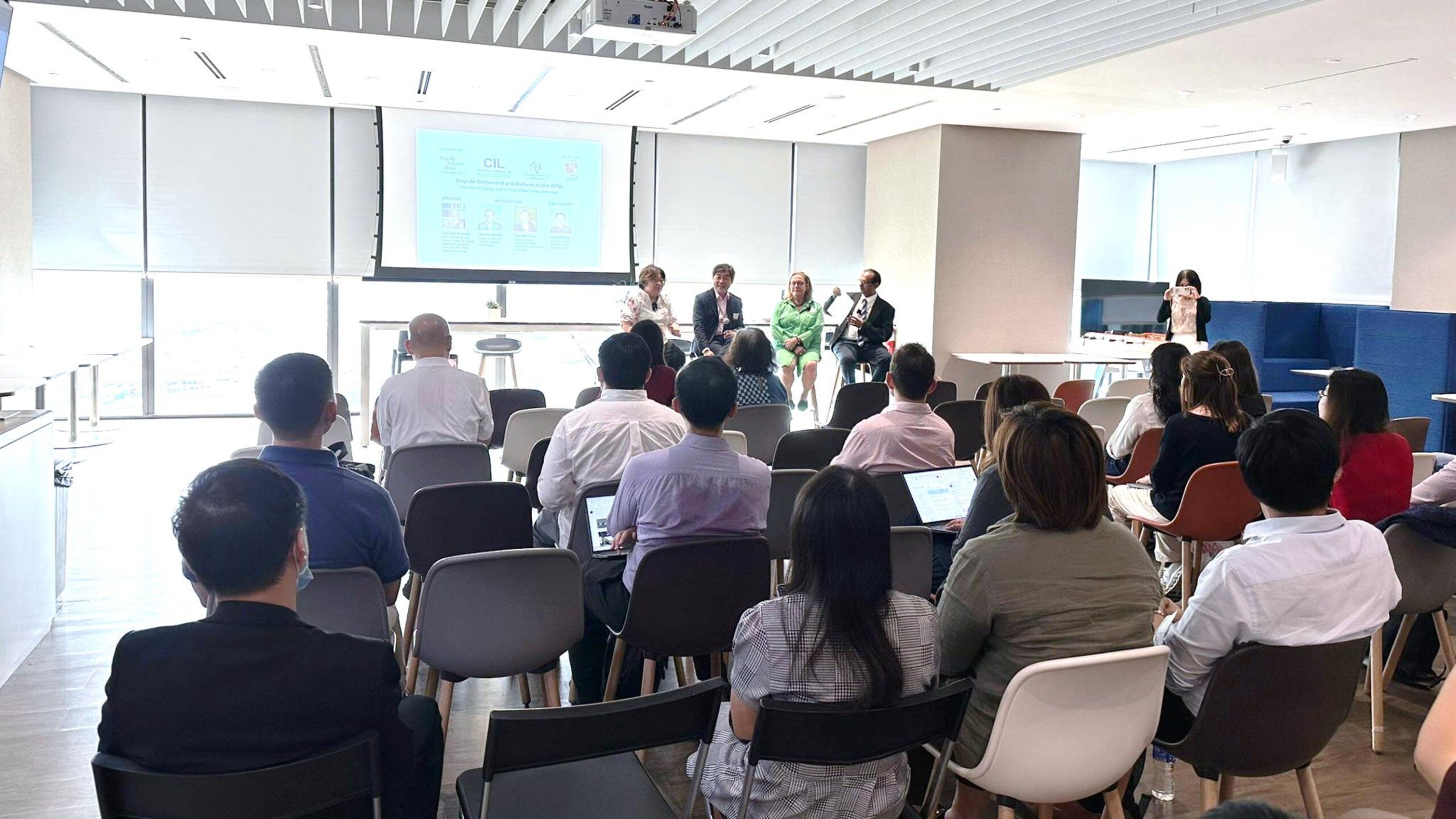
Digest of Discussion
CIL–ILA Fireside Chat: “Dispute Settlement and Reform in the WTO: Institutional Change in a Shifting Global Trade Landscape”, 27 Feb
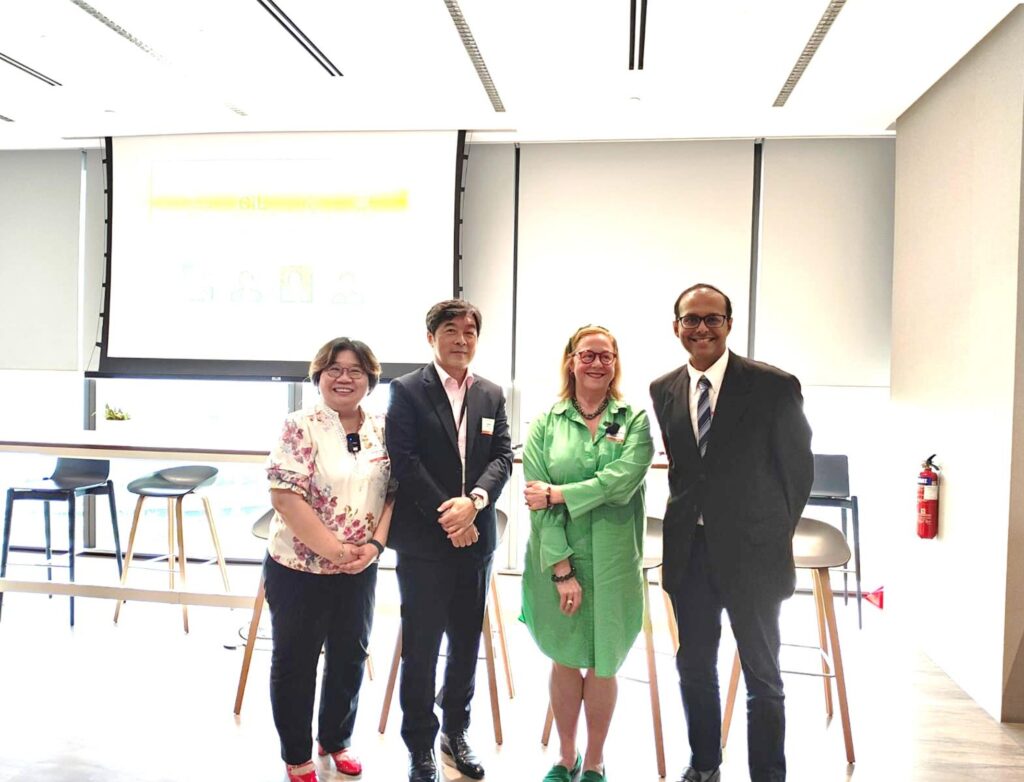
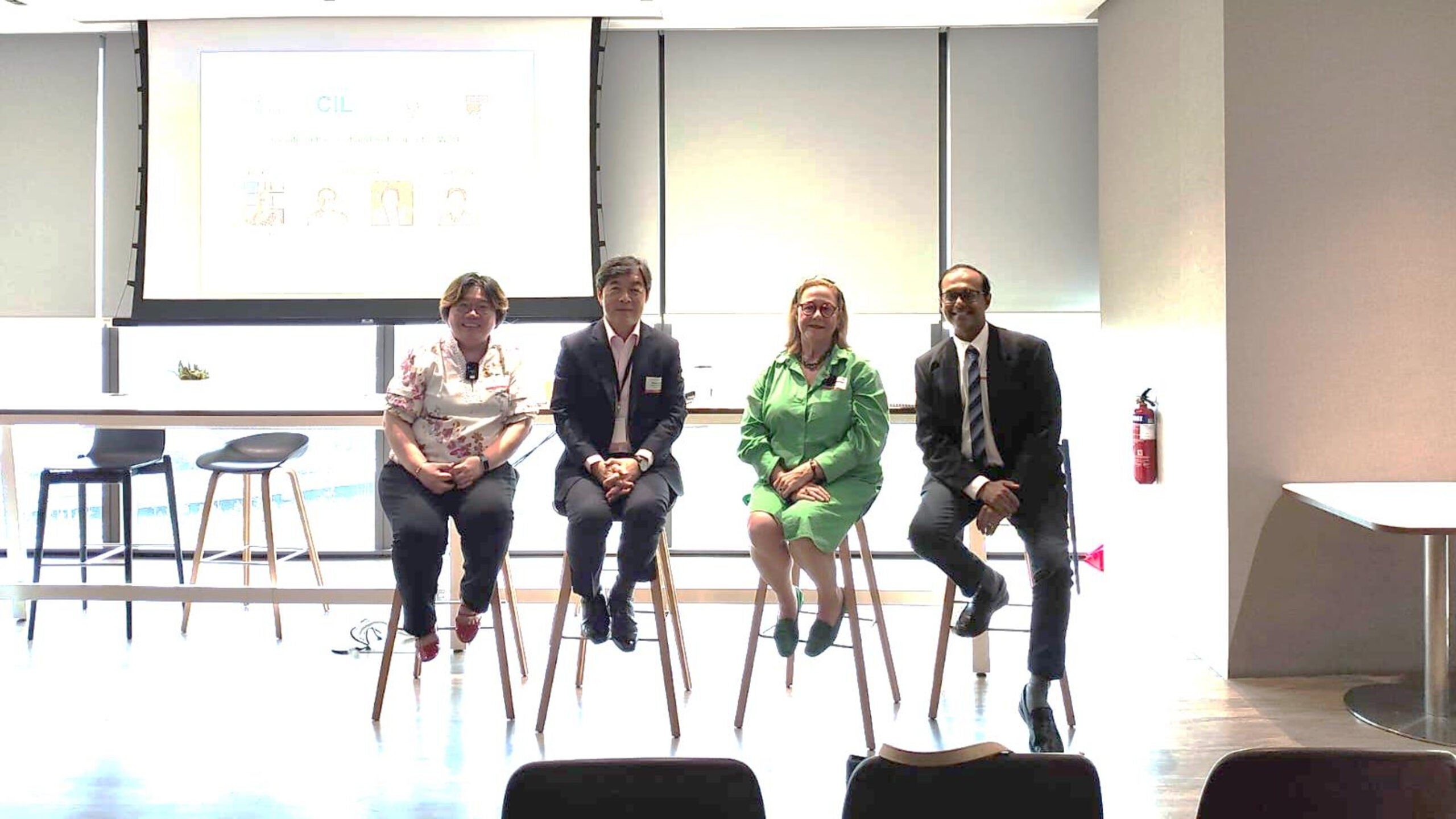
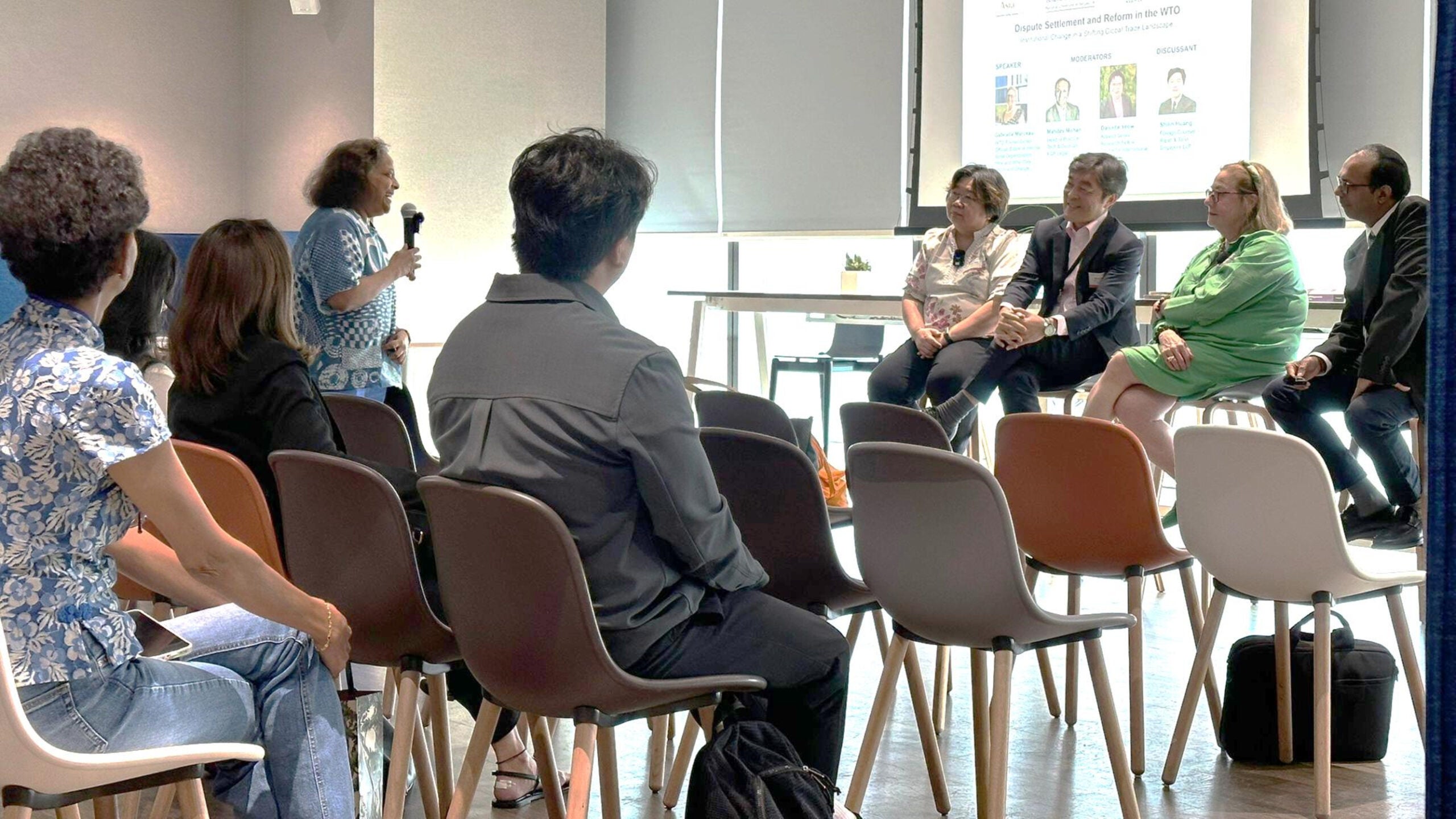
The fireside chat, jointly organised by the Centre for International Law, National University of Singapore (CIL) and the International Law Association (Singapore Branch) examined the ongoing crisis in WTO dispute settlement against the broader transformation of the global trading system. The discussion combined reflections on specific proposals for reform of the dispute settlement mechanism with wider questions about how international organizations adapt to political, economic, and systemic pressures.
The fireside chat featured CIL’s Distinguished Visitor Prof Gabrielle Marceau [insert link to bio on programme] and discussant Shilin Huang (Rajah & Tann). The conversation was co-moderated by Danielle Yeow, Adjunct Senior Research Fellow (CIL) and Mahdev Mohan (KGP Legal). The event was hosted at the premises of Rajah & Tann, with tea reception sponsored by KGP Legal.
Opening Remarks: Reform Efforts and Institutional Adaptation
Danielle opened the dialogue with welcome and introductory remarks and expressed appreciation to the venue host (Rajah & Tann) and reception sponsors (KGP Legal) for supporting the event.
The discussion began with brief opening remarks by Professor Gabrielle Marceau, who framed the conversation by outlining key issues surrounding reform of the WTO dispute settlement system amidst the current geopolitical and trade landscape. Her remarks focused on the difficulty WTO members have faced in reaching consensus on proposals to restore or redesign the system following the paralysis of the Appellate Body.
During the dialogue that followed her prepared remarks, moderated by Danielle, Professor Marceau highlighted that, while many members continue to reaffirm their commitment to a “fully functioning” dispute settlement mechanism, significant political disagreements remain unresolved. These disagreements relate not only to technical questions of procedure, but also to deeper issues concerning the scope of adjudicative authority, concerns about judicial overreach, and the institutional balance between members and the dispute settlement bodies.
- how international organizations adapt to political, economic and systemic pressures, and what this means for the future of multilateral organizations and governance at large. Includes discussion of the theoretical and legal foundations of international organizations' (IO) initiatives eg interpretation of the WTO constituent instruments vis-a-vis the evolving powers of IO; the role of the Secretariat in initiating changes; interaction between the IO and external entities.
In this context, Professor Marceau situated WTO reform within a broader discussion about how international organizations evolve under changing political and economic conditions. Referring to the recent publication “International Organization Initiatives: How and Why Organizations Adapt and Change” (edited by Gabrielle Marceau and Henner Gött), Gabrielle’s remarks touched on several dimensions of institutional adaptation, including:
- how international organizations interpret their constituent instruments in light of evolving circumstances;
- the role of secretariats in facilitating institutional change; and
- the interaction between international organizations and external actors such as governments, businesses, and regulatory institutions.
The WTO Crisis: Structural Breakdown or Temporary Shock?
Shilin was invited by Mahdev to comment from his perspective as a private sector practitioner, whereupon he shared a vivid personal analogy to frame the broader question of the WTO’s current institutional crisis to highlight the difference between a temporary shock and a potentially existential illness.
Using this personal anecdote, he sought Prof Marceau’s views whether the present paralysis of the dispute settlement system a painful but temporary disruption, or a deeper structural problem that could threaten the long-term viability of the institution.
The analogy helped frame a central theme of the discussion: whether the current crisis reflects a cyclical political difficulty—as the multilateral trading system has experienced before—or whether deeper geopolitical and economic shifts are transforming the foundations of the WTO system itself.
The Role of Private Sector Lawyers
A notable theme that emerged during the conversation was the evolving role of private sector lawyers in international trade governance.
Given that presence of many practising lawyers, Professor Marceau repeatedly emphasized that, despite the challenges currently facing the multilateral trading system, there remains substantial opportunities for trade lawyers. In the present environment—characterized by new tariffs, industrial policy measures, export controls, and increasingly complex regulatory requirements— businesses require legal advice to navigate compliance obligations and assess legal and commercial risks.
Her remarks suggested that the role of trade lawyers may be evolving rather than diminishing. While WTO litigation has historically been a central feature of trade law practice, the growing complexity of the global trade landscape means that lawyers are increasingly involved in advisory roles, helping companies interpret new regulatory regimes and adapt to rapidly changing trade policies.
Mahdev & Shilin noted that private lawyers in Singapore are receptive to the purposive interpretation adopted by local and international courts and arbitral tribunals, emphasizing their keen interest in determining how to best assist clients in navigating these interpretive shifts within the trade landscape. The tone of these remarks was reflected a broader concern about the pressures facing the multilateral trading system and the need to emphasize the continuing relevance of legal expertise in this shifting environment.
Intervention from the Singapore Government Perspective
The discussion concluded with a substantive intervention from Elizabeth Chelliah, a recently retired official from Singapore’s Ministry of Trade and Industry (MTI), and currently with the Singapore Business Federation, who offered reflections from the perspective of trade policymaking.
She suggested that private sector lawyers could play a more active role in helping governments understand emerging trade challenges. In particular, she encouraged lawyers advising multinational firms to develop greater awareness of the supply chain issues and trade barriers their clients encounter in practice.
By communicating these experiences to policymakers—for example, through engagement with ministries such as MTI—lawyers could help governments better identify emerging trade frictions and respond more effectively through policy and regulatory initiatives.
Her intervention highlighted the potential value of closer interaction between governments, businesses, and legal practitioners in addressing the increasingly complex landscape of international trade regulation.
Concluding Reflections
The fireside chat ultimately conveyed a cautious but pragmatic perspective on the future of the WTO. While the dispute settlement system remains under considerable strain, the discussion suggested that the multilateral trading system is undergoing a period of adaptation rather than immediate collapse.
In this environment, legal expertise remains essential. As trade governance becomes more fragmented and regulatory complexity increases, lawyers are likely to play an important role not only in dispute settlement but also in advising businesses, interpreting regulatory developments, facilitating dispute avoidance through confidential, without prejudice negotiations, and facilitating communication between the private sector and policymakers.
PRE-EVENT INFORMATION

 1.0 Public CPD Point
Practice Area: International Law
Training Category: General
Participants who wish to obtain CPD Points are reminded that they must comply strictly with the Attendance Policy set out in the CPD Guidelines. For this activity, this includes arriving punctually, not leaving the activity before it has ended, and signing in on arrival and signing out at the conclusion of the activity in the manner required by the organiser. Participants who do not comply with the Attendance Policy will not be able to obtain CPD Points for attending the activity. Please refer to https://www.sileCPDcentre.sg for more information.