

The Roadmap to a Successful Mediation in ISDS
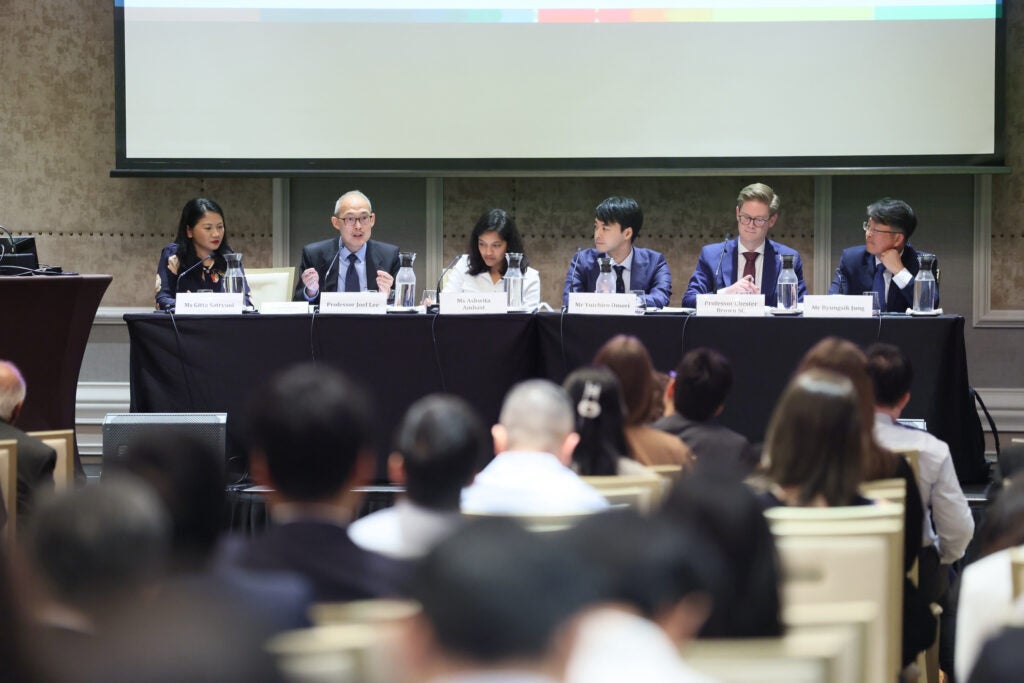
On 25 August 2025, the Centre for International Law (CIL) hosted a panel discussion titled “The Roadmap to a Successful Mediation in ISDS”, in conjunction with Singapore Convention Week 2025. Building on past CIL-Convention Week sessions on using mediation in Investor–State Dispute Settlement (ISDS), this event focused on moving from awareness to action by equipping practitioners and policymakers with concrete guidance on initiating and navigating mediation in ISDS.
The session brought together a distinguished panel of experts representing diverse perspectives:
- Ms Ashwita Ambast (Permanent Court of Arbitration)
- Professor Chester Brown SC (University of Sydney)
- Mr Byungsik Jung (Asian Development Bank Institute)
- Professor Joel Lee (National University of Singapore)
- Mr Yuichiro Omori (International Centre for Settlement of Investment Disputes)
The discussion was moderated by Ms Gitta Satryani (Herbert Smith Freehills Kramer).
The panel explored several themes critical to achieving a successful mediation in Investor-State disputes.
Drawing on the 2018 CIL Survey on Obstacles to Settlement of Investor-State Disputes, participants noted that States are often perceived as more reluctant to settle, for both structural and psychological reasons. These include the absence of clear authority to negotiate and concerns about creating precedent. Against this backdrop, the discussion recognised that governments face distinctive challenges in engaging with mediation. Addressing accountability concerns, managing complex internal decision-making processes, and safeguarding officials from personal liability were highlighted as essential steps. Mechanisms such as joint committees and investment ombudsman systems were identified as practical tools to build trust and to prevent disputes. At the same time, some panellists noted that empirical evidence shows that a significant number of ISDS cases were settled, suggesting that States may be more open to negotiated outcomes than is commonly assumed.
Institutions such as ICSID and the PCA have developed frameworks and expertise that support effective mediation and conciliation. ICSID’s new standalone mediation rules provide flexibility, confidentiality safeguards, and clear procedures to assist parties in designing tailored protocols. Both ICSID and the PCA also offer valuable institutional support, procedural expertise, and calibrated approaches to transparency and confidentiality.
It was further emphasised that Investor-State mediation cannot simply replicate commercial mediation models. Given the political and regulatory dimensions of ISDS, mediators must be equipped to manage multiple stakeholders, respond to transparency obligations, and maintain legitimacy. Co-mediation (pairing a process expert with a subject-matter specialist) was highlighted as a potential effective model. Mediators may also need to balance confidentiality with accountability, adopting a more nuanced approach than is typically found in commercial disputes.
The Timor Sea Conciliation between Timor-Leste and Australia was discussed as a landmark example of how structured conciliation can resolve sensitive State-level disputes. Continuous engagement, careful management of transparency, and the inclusion of third-party stakeholders were identified as central to the success of that process.
The discussion underlined that successful ISDS mediation requires more than goodwill: it demands preparation, institutional and structural support, and careful process design. Shared responsibility, skilled mediators, and calibrated confidentiality frameworks are key to unlocking mediation’s potential. With rising interest from both States and Investors, the session reaffirmed that the roadmap to successful mediation starts with moving from interest to concrete steps toward implementation.
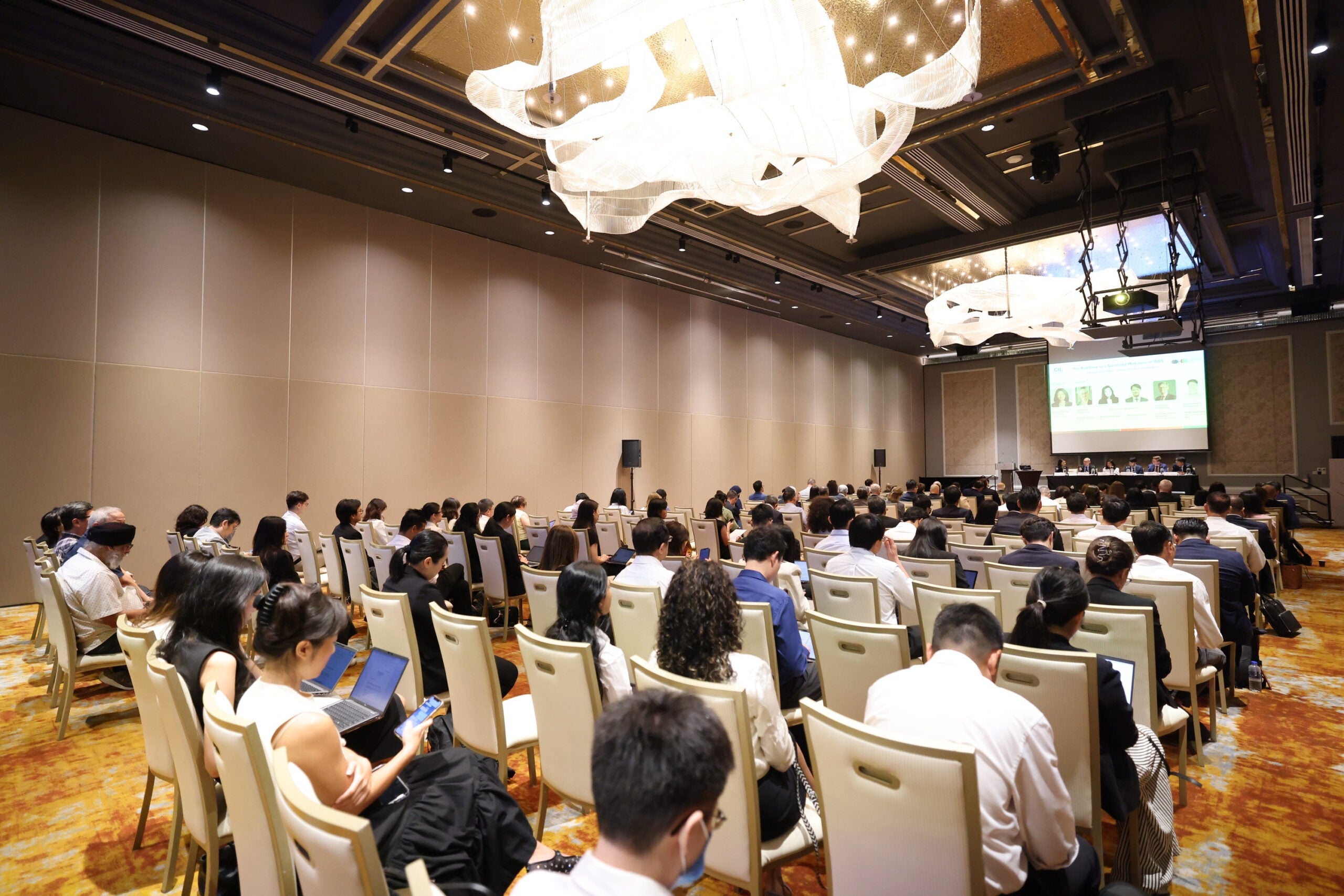
PRE-EVENT INFORMATION
The Roadmap to a Successful Mediation in ISDS
Building on past CIL-SCW sessions on ISDS mediation, this event focuses on turning awareness into action. A panel of counsel, mediators, government officials, and institutional representatives will discuss practical steps to prepare for successful mediation. Key topics include formulating positions, navigating privileges and immunities, ensuring confidentiality and transparency, and safeguarding parties’ positions if mediation does not succeed.

With growing interest among both host States and foreign investors in using mediation to resolve their disputes, this session aims to equip participants with concrete guidance to move from interest to implementation.
Many States and foreign investors often face a lack of familiarity with the practical know-how required to effectively initiate and navigate a mediation process. This knowledge gap can act as a real impediment, preventing parties from taking advantage of mediation's potential for the resolution of Investor-State disputes.
"The Roadmap to a Successful Mediation in ISDS" will bring together experienced counsel, representatives from key institutions ICSID and the PCA, government officials, and seasoned mediators to discuss the concrete steps required to prepare for and carry out an effective mediation.
Topics for discussion will include:
- How should counsel introduce mediation as an option to their clients, and what practical steps should follow if the client expresses interest?
- How can parties effectively formulate their interests for the mediation table?
- What considerations go into selecting the appropriate venue, procedural rules, and mediators?
- How should issues of privileges and immunities, confidentiality, and transparency be navigated?
- How can parties protect their positions in case the mediation does not lead to settlement?
This event is designed for practitioners and policymakers looking to deepen their understanding of the practical and operational aspects of mediation in ISDS, offering fresh insights and actionable takeaways.
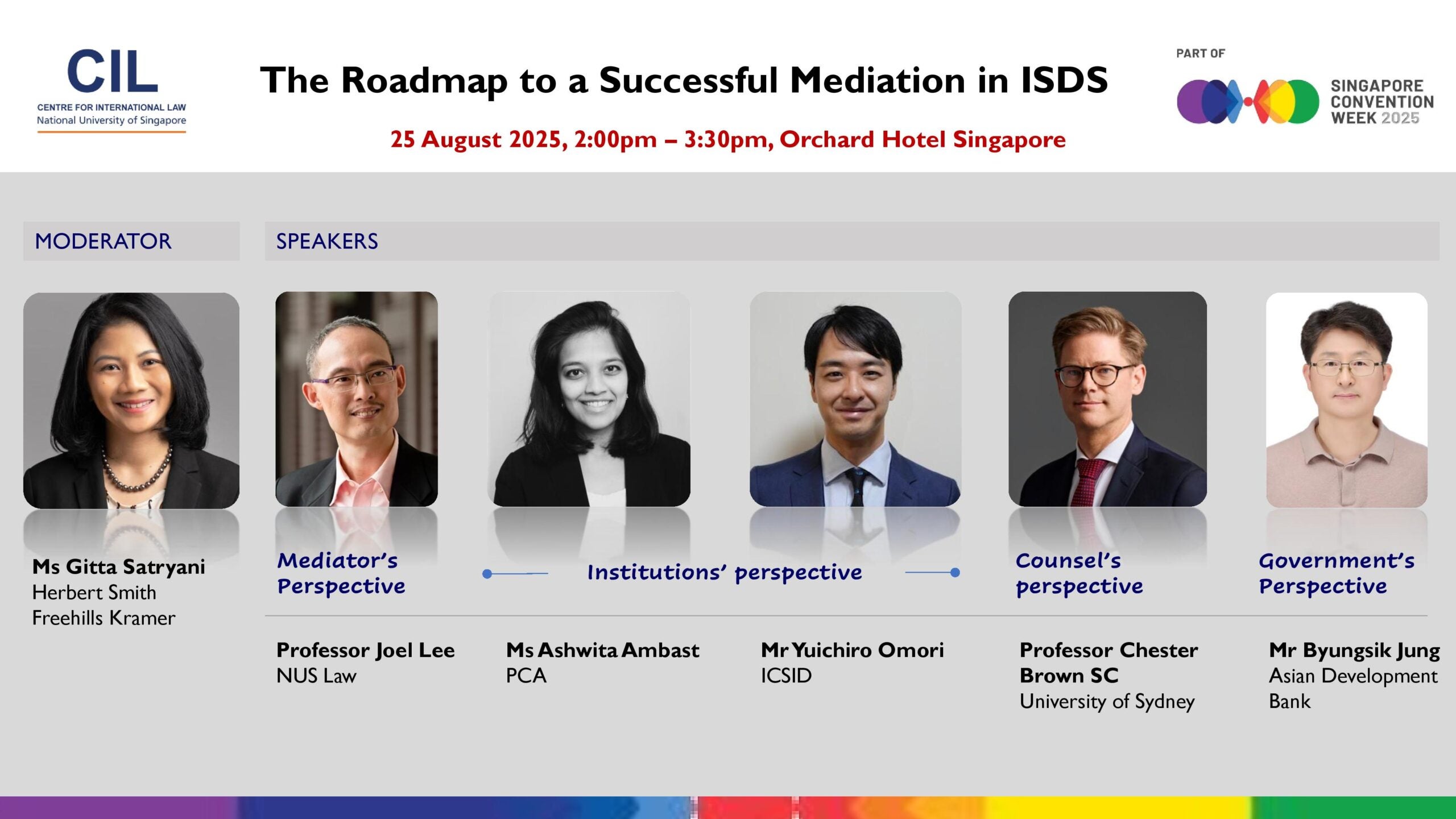
The panel of experts will feature:
- The Mediator’s perspective: Professor Joel Lee, NUS Law
Joel Lee is a Professor at the Faculty of Law, National University of Singapore. Joel co-pioneered the teaching of Negotiation and Mediation in Singapore universities and has played a significant role in furthering the development of mediation in Singapore, not just in education but in practice. A graduate of Victoria University of Wellington and Harvard Law Schools, Joel is a principal mediator with the Singapore Mediation Centre and a Master Trainer with Peacemakers.
Joel was a member of the International Mediation Institute’s Independent Standards Commission and Intercultural Taskforce and was also a key member of the Ministry of Law’s Working Group on International Commercial Mediation. Joel is presently the founding Chair of the Board of the Singapore International Mediation Institute. He is also a Certified Trainer of Neuro-Linguistic Programming (NLP).
Joel has taught overseas at the University of Copenhagen (Denmark), University of Law, Economics and Science of Aix-Marseille (Aix-en-Provence France) and Anglia Law School (UK) and is the co-editor and co-author of the book “An Asian Perspective on Mediation” and the “Singapore Mediation Handbook”, and the General Editor for the Asian Journal on Mediation. In 2011, Joel was awarded the Outstanding Educator Award which is the National University of Singapore’s highest teaching award. Joel was also awarded Singapore’s Public Service Medal in 2023 for his work in promoting mediation.
- The Institutions’ perspective:
-
- Ms Ashwita Ambast, PCA
Ms Ashwita Ambast is a Senior Legal Counsel at the Permanent Court of Arbitration. Ashwita has acted as tribunal secretary in over 40 international arbitrations involving states, state entities, international organizations and private parties and has assisted the PCA Secretary-General and other appointing authorities with over 45 requests relating to arbitral appointments and challenges. From 2018-2020, Ashwita also served as a Registrar of the Mauritius International Arbitration Centre.
-
- Mr Yuichiro Omori, ICSID
Mr Yuichiro Omori is Legal Counsel on one of ICSID’s case management teams. Prior to joining ICSID, he worked as an attorney with an international law firm in Tokyo, Japan and as a trial lawyer at an international court in the Hague, the Netherlands. He is admitted to practice law in the State of New York, England and Wales (solicitor) and Japan (currently omitted).
- Counsel’s perspective: Professor Chester Brown SC, University of Sydney
Prof. Chester Brown SC is Professor of International Law and International Arbitration at the University of Sydney Law School, Australia, and he is also a Barrister at 7 Wentworth Selborne Chambers, Sydney, and an Overseas Member of Essex Court Chambers, London. Prof. Brown SC is currently acting as counsel in a number of investment treaty claims, and he is also acting in domestic court proceedings which raise issues of (e.g.) public international law, private international law, and international commercial arbitration. Prof. Brown has also served as counsel in inter-State arbitrations, as well as in proceedings before the International Court of Justice, the Iran-United States Claims Tribunal, and a Conciliation Commission constituted under the United Nations Convention on the Law of the Sea.
- Government’s perspective: Mr Byungsik Jung, Asian Development Bank
Byungsik Jung is Deputy Dean of ADBI, specializing in international finance, trade agreements and international tax. He was previously Director General for International Tax in the Republic of Korea Ministry of Economy and Finance, and Bureau Member in negotiating the Terms of Reference for the UN Framework Convention on International Tax Cooperation. He also was a Deputy Director General for the international finance bureau, and co-chair for the G20 International Financial Architecture Working Group. Mr. Jung was responsible for the negotiations for various tax treaties and numerous free trade agreements between Korea and other countries.
Mr. Jung earned his Doctor of Juridical Science (S.J.D.) in international trade laws from American University Washington College of Law in 2008, his LL.M. in financial law from Georgetown Law Center in 2007, and his LL.B. from Korea University in 1994. He was admitted to the New York Bar in 2008.
The discussion will be moderated by Ms Gitta Satryani, Herbert Smith Freehills Kramer.
Gitta Satryani is the Singapore Managing Partner of Herbert Smith Freehills LLP and the Southeast Asia Head of the firm’s International Arbitration and Dispute Resolution Practice. Gitta is bilingual in English and Indonesian, working and presenting regularly in both languages, and is admitted as an Advocate and Solicitor of the Supreme Court of Singapore. Gitta has over 15 years’ experience of acting for clients in international arbitration and complex cross-border proceedings in Asia Pacific across a wide range of industries, with expertise in energy, private capital, and projects and infrastructure. She has a particular focus on Indonesia-related disputes. She also advises commercial entities, states, state owned enterprises, and sovereign wealth funds, on disputes and dispute-related aspects of transactional work relating to their investments as well as dispute avoidance strategies and investment structuring. Gitta has been recognised as, amongst others, an Arbitration Future Leader, Global Elite Thought Leader (Under 45) and National Leader (Southeast Asia, Arbitration) by Who’s Who Legal and has been described by clients as "an impressive lawyer with unique skills in the market" and "very pragmatic and business-oriented in terms of suggesting strategies to resolve a problem and providing good practical guidance".
 1.5 Public CPD Points
Practice Area: Alternative Dispute Resolution
Training Category: General
Participants who wish to obtain CPD Points are reminded that they must comply strictly with the Attendance Policy set out in the CPD Guidelines. For this activity, this includes signing in on arrival and signing out at the conclusion of the activity in the manner required by the organiser, and not being absent from the entire activity for more than 15 minutes. Participants who do not comply with the Attendance Policy will not be able to obtain CPD Points for attending the activity. Please refer to http://www.sileCPDcentre.sg for more information.
Admission is free of charge. Reserve your seat here!
Registration closed on 20 Aug 2025, 6pm, Singapore Time.