
Yvette Foo presented her paper, titled “Constructing Peace by Chasing Ghosts: The Lifespans of Memorials in Southeast Asia” discussing memorialisation, transitional justice, peacebuilding at the 14th UN Research Colloquium, held at the University of Cologne, Germany
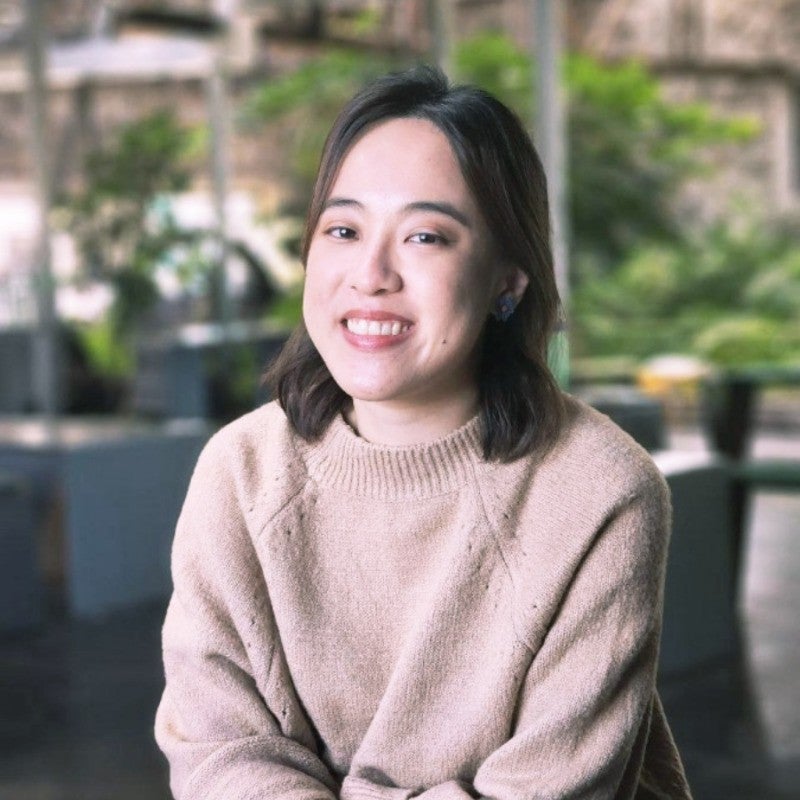 Yvette presented a paper titled "Constructing Peace by Chasing Ghosts: The Lifespans of Memorials in Southeast Asia", which reflects on how memorials in Southeast Asia contribute to peacebuilding motivations at the UN. Her presentation explored how the Tuol Sleng Genocide Museum, Assistance Association for Political Prisoners’ memorial and museums, and the Changi Chapel and Museum each have crucial peacebuilding applications in past, present, and future contexts, as pluritemporal forms of mourning.
Abstract:
This paper analyses the ‘lifespans’ of three memorialisation processes in Southeast Asia to comment temporality of peacebuilding through transitional justice. Memorialisation and transitional justice provide pathways to understand how societies can and/or should respond to traumatic pasts and serious human rights violations, and more recently, have become essential to peacebuilding. Peace processes must address the root causes and consequences of war and conflict, and a key pillar to achieve this goal is memorialisation: the act of preserving memories through physical memorials and museums, and non-physical education and public narratives. But as societies move away from conflict and towards peace and stability, a question of durability arises. How do these sites remain relevant to the mission of long-term peace?
Focusing on Southeast Asia—a region not unfamiliar with conflict—this paper interrogates the question by looking at three case studies through comparative, empirical research: (1) Cambodia’s Tuol Sleng Genocide Museum (TSGM), (2) Myanmar’s Assistance Association for Political Prisoners’ (AAPP) museum and memorial, and (3) Singapore’s Changi Chapel and Museum (CCM). Each site represents three different temporalities of memorialisation through past, present, and future, respectively. The TSGM balances emotional remembrance work to counter rhetoric denying the Khmer Rouge’s reign of terror, with the need to ensure smooth reconciliation in a relatively young post-conflict society. The AAPP museum and memorial, originally founded by Burmese ex-political prisoners, applies past lessons on oppression and imprisonment to modern-day Myanmar activism. Lastly, the CCM trades individualistic recounts of during World War II, for a universal message of forward-looking resilience and harmony.
By examining how each site contributes to peacebuilding across different temporal dimensions, this paper considers the longevity of painful memories. The memorials in Cambodia, Myanmar, and Singapore explains how Southeast Asia can confront the past in nuanced ways to heed the same unending call for global peace.