
CIL Co-organises Seminar on AI Governance for Sustainable Development
International Law, Climate Responsibility and Technology Regulation
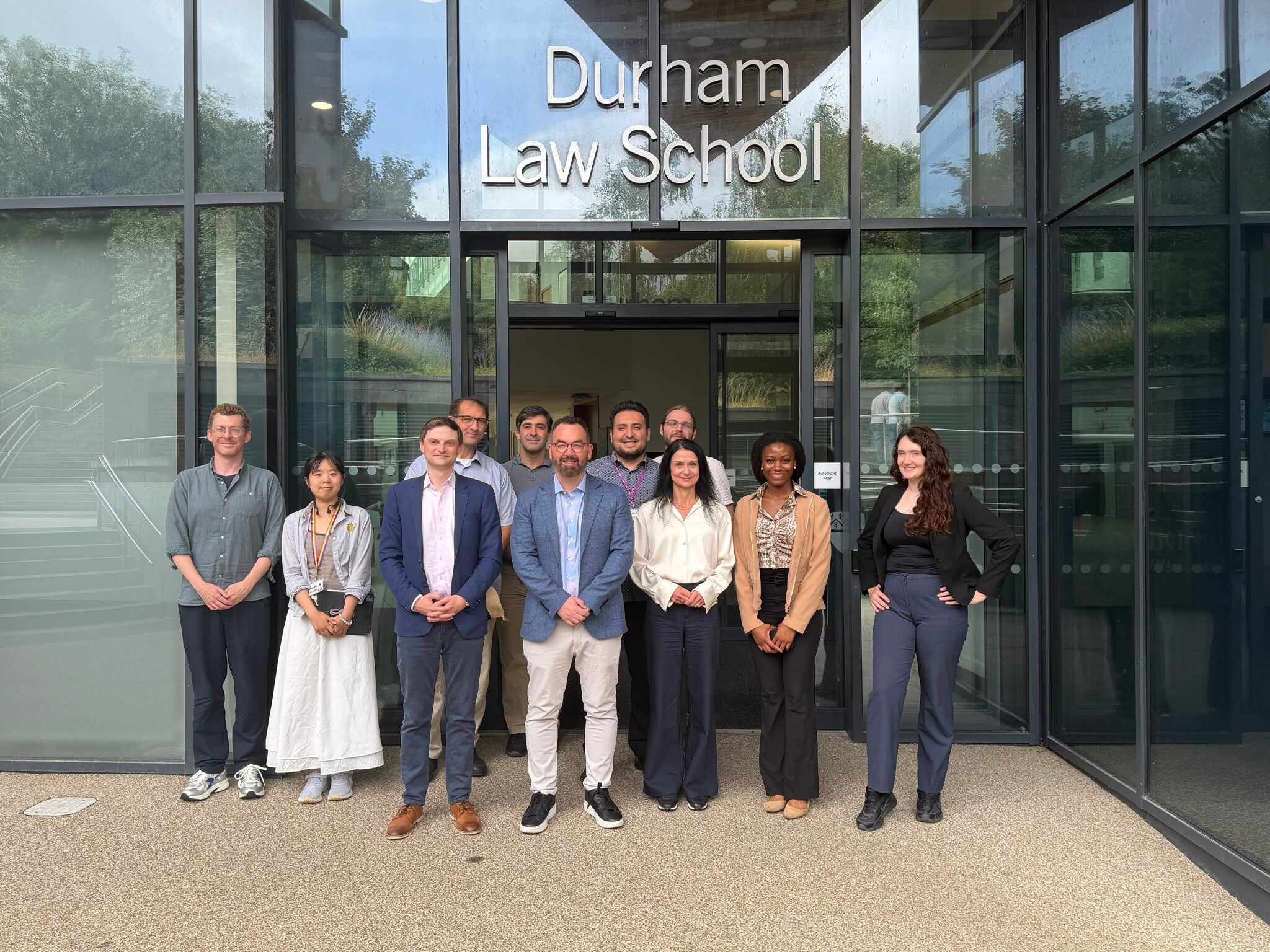
CIL and the Centre for Sustainable Development Law and Policy at Durham University Co-Host Seminar on AI Governance
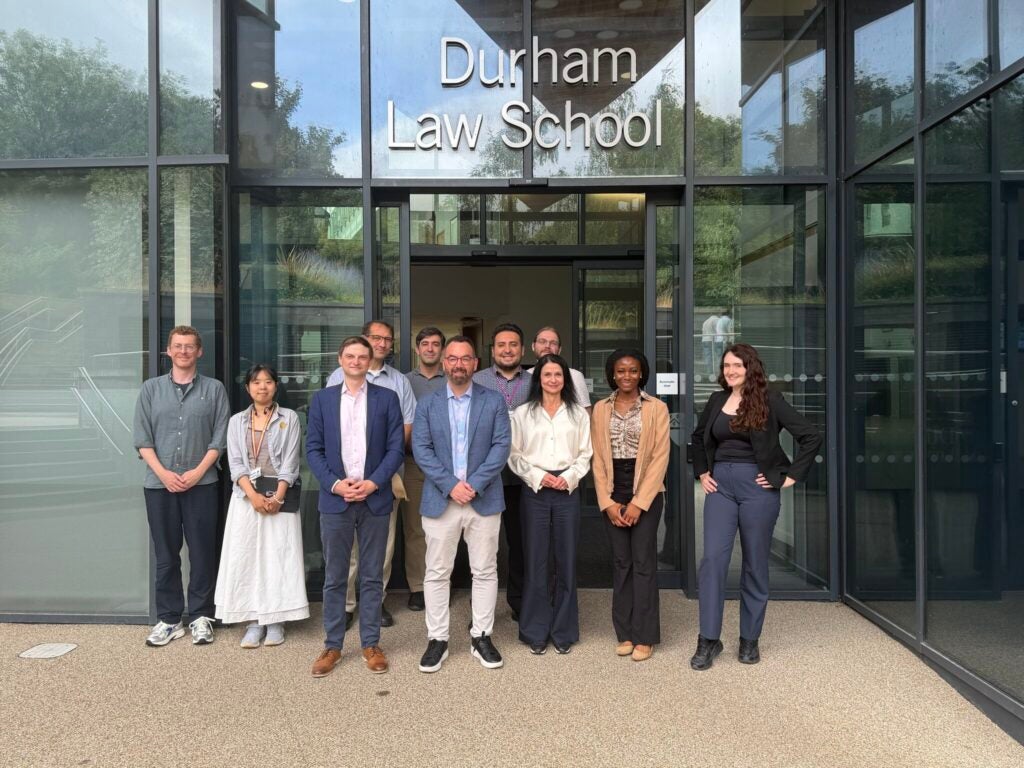
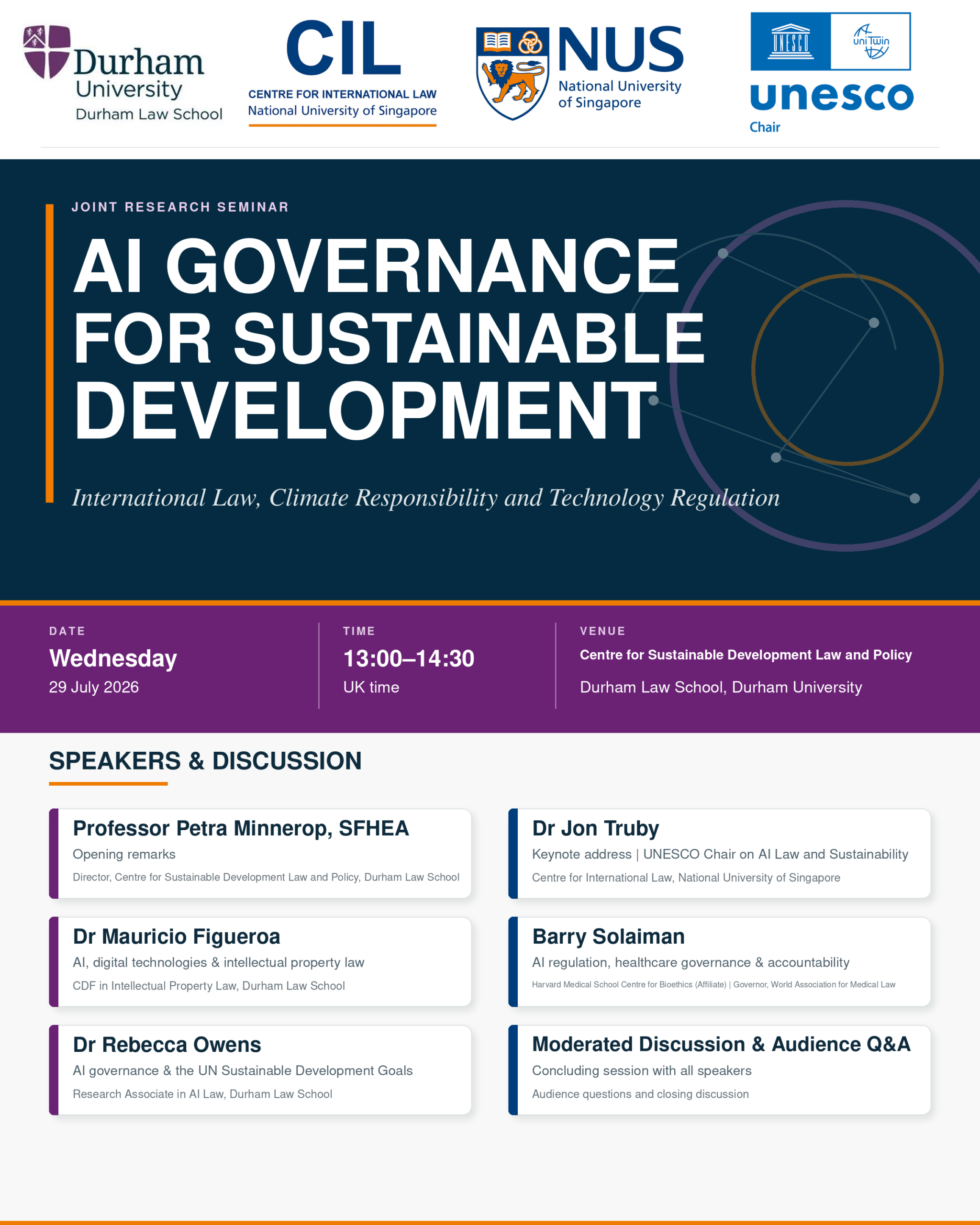
The Centre for International Law (CIL) at the National University of Singapore, together with the UNESCO Chair on Artificial Intelligence Law and Sustainability at CIL, co-hosted the seminar “AI Governance for Sustainable Development: International Law, Climate Responsibility and Technology Regulation” with the Centre for Sustainable Development Law and Policy at Durham University.
Held on 29 July 2026 at the Centre for Sustainable Development Law and Policy at Durham University, the seminar examined how international law and technology regulation can respond to the climate, environmental, institutional and social consequences of artificial intelligence.
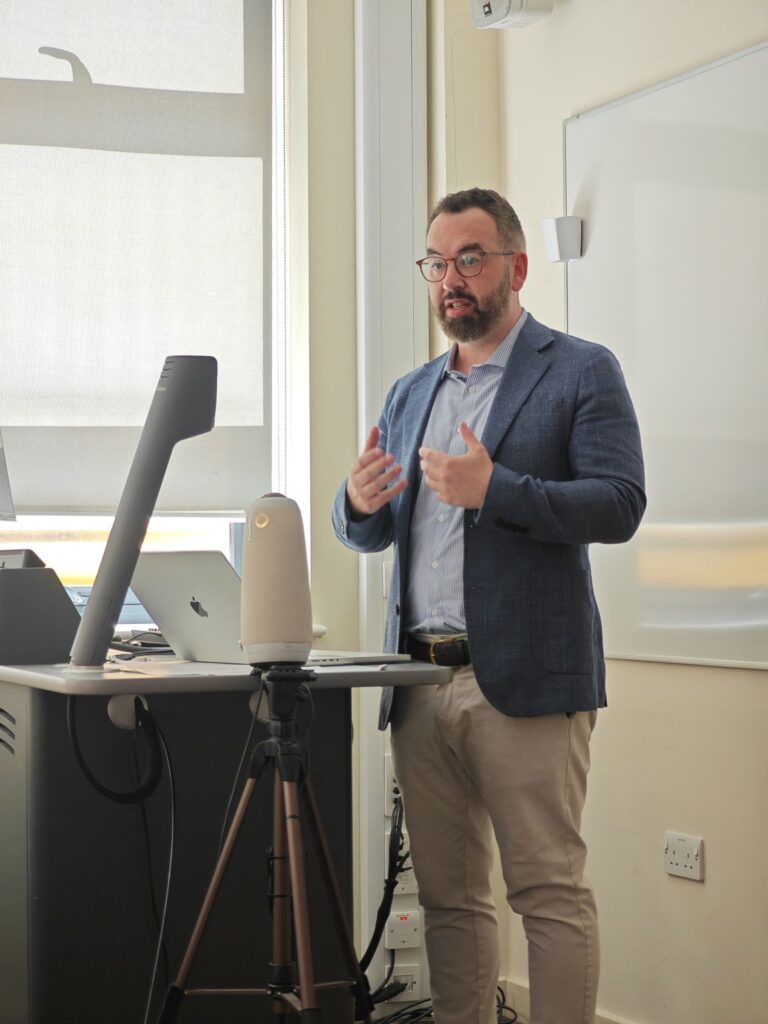
Dr Jon Truby, UNESCO Chair on AI Law and Sustainability at CIL, delivered an opening address on the work of the Chair and on AI law and sustainability in public international law. He also moderated the seminar.Professor Petra Minnerop, Professor of International Law and Director of the Centre for Sustainable Development Law and Policy at Durham Law School, delivered the opening remarks. She addressed sustainable development law, climate governance, environmental responsibility and the role of international law in supporting the regulation of emerging technologies.
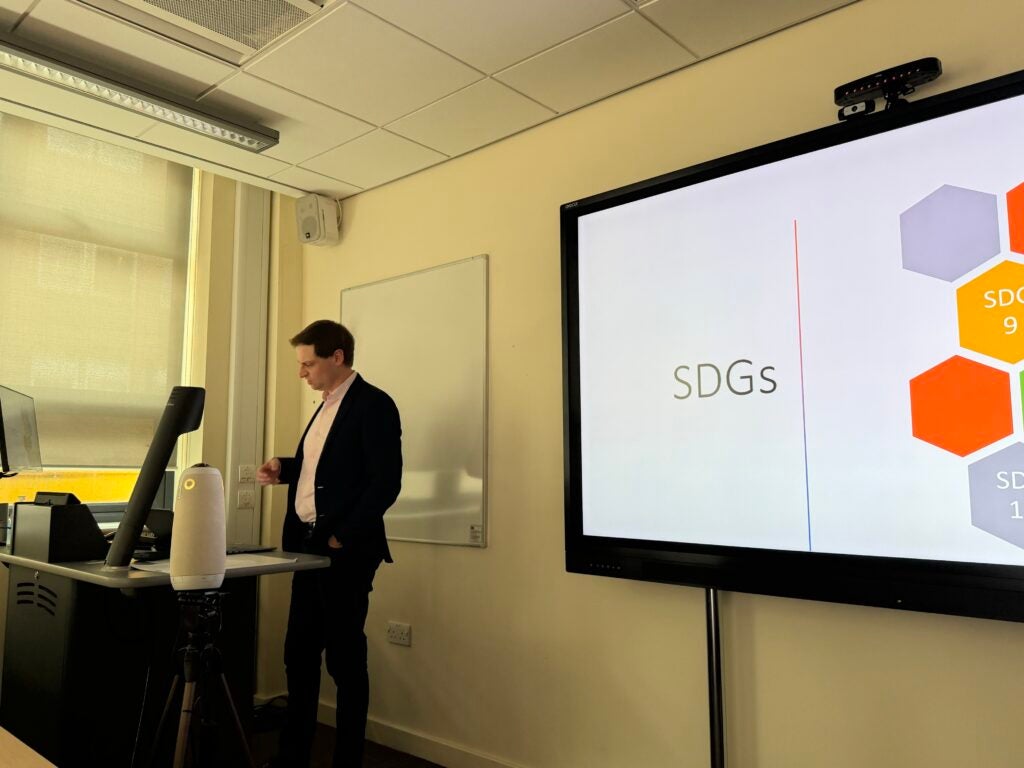
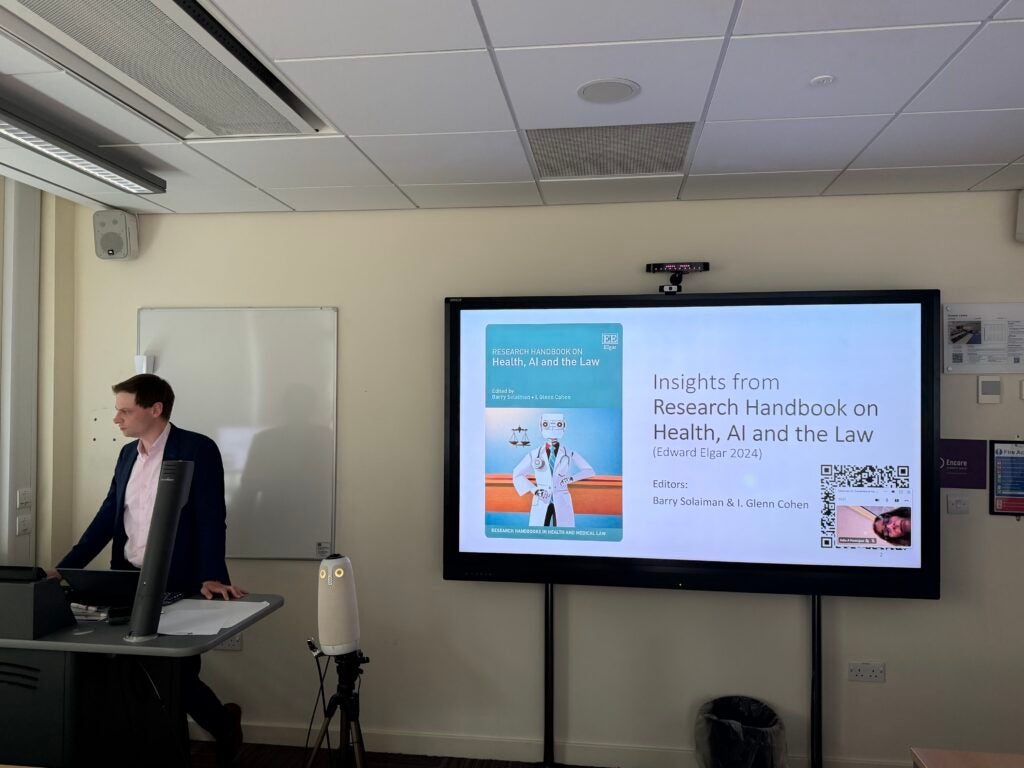
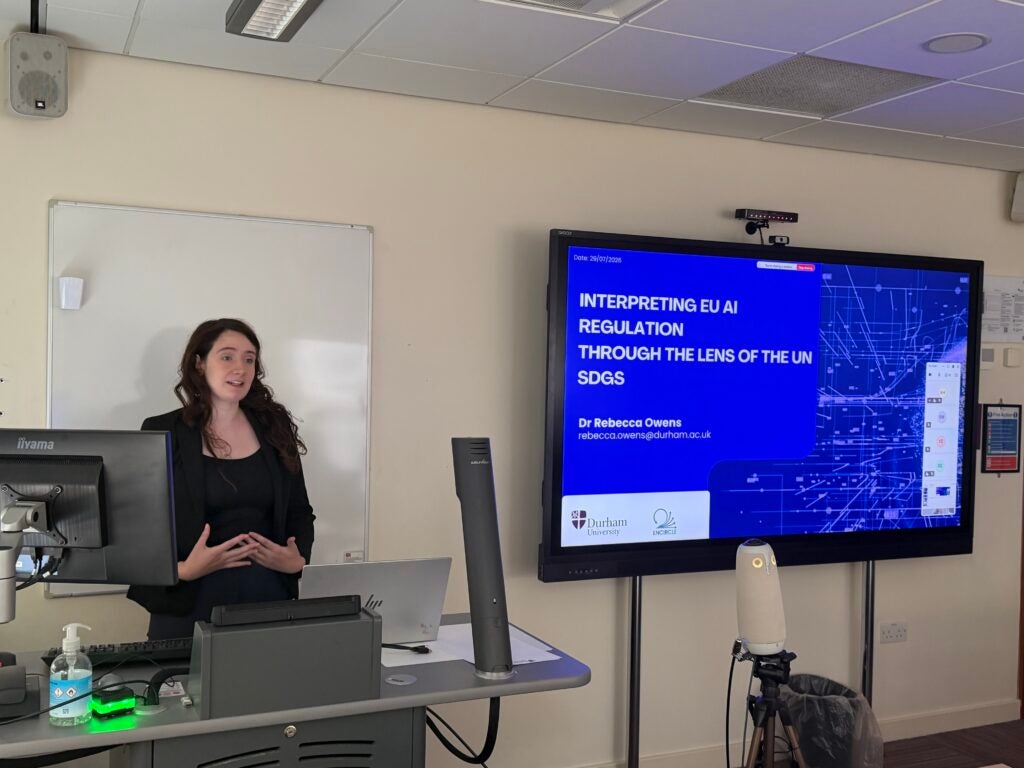
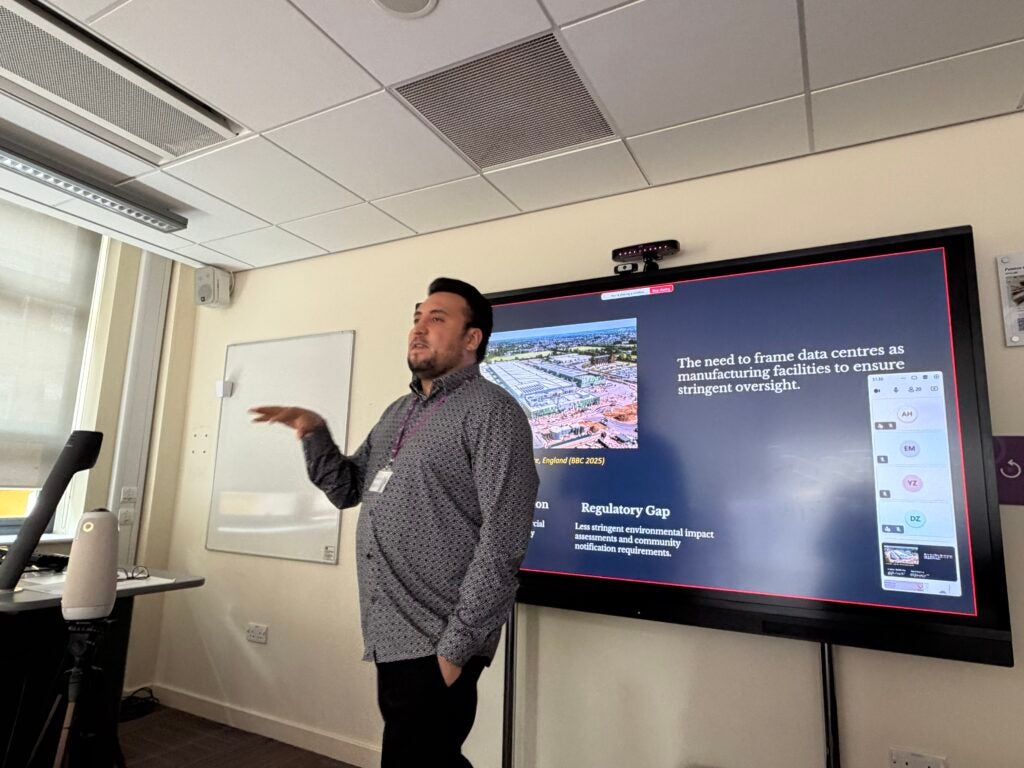
Dr Mauricio Figueroa, Career Development Fellow in Intellectual Property Law at Durham Law School, discussed AI, digital technologies, intellectual property law and the regulation of algorithmic systems. Barry Solaiman, Affiliate at the Harvard Medical School Center for Bioethics and Governor of the World Association for Medical Law, examined AI regulation, healthcare governance, public accountability and legal responsibility. Dr Rebecca Owens, Postdoctoral Research Associate in AI Law at Durham Law School, considered AI governance and the United Nations Sustainable Development Goals.
The discussion addressed the energy and water demands of AI infrastructure, the environmental cost of computing, the distribution of technological benefits and burdens, the accountability of public and private actors and the role of international law where domestic approaches remain incomplete.
The seminar continued the cooperation between CIL and the Centre for Sustainable Development Law and Policy at Durham University. It also identified opportunities for future academic exchange and research on AI governance, sustainability and international law.
PRE-EVENT INFORMATION
Date: Wednesday, 29 July 2026
Time: 13:00-14:30 BST | 20:00-21:30 SGT
Venue: Centre for Sustainable Development Law and Policy, Durham Law School, Durham University
Organisers: Centre for International Law, NUS and Centre for Sustainable Development Law and Policy, Durham Law School
In association with: UNESCO Chair on Artificial Intelligence Law and Sustainability
Overview
The Centre for International Law (CIL), National University of Singapore, is co-organising a joint research seminar on AI Governance for Sustainable Development with the Centre for Sustainable Development Law and Policy (CSDLP), Durham Law School, on 29 July 2026. The event is being held in association with the UNESCO Chair on Artificial Intelligence Law and Sustainability.
Dr Jon Truby, UNESCO Chair on Artificial Intelligence Law and Sustainability and Visiting Research Associate Professor at CIL, will deliver the keynote address. The seminar brings together CIL's work on artificial intelligence, public international law and institutional accountability with CSDLP's work on climate governance, environmental responsibility and sustainable development. It also connects with the UNESCO Chair's programme on accountable AI governance, the environmental effects of AI, international legal cooperation and capacity building.
AI governance is often discussed through the lenses of technological development, risk management and digital competitiveness. The rapid growth of AI infrastructure also raises wider legal and policy questions. These include the energy and water demands of data centres, the environmental cost of compute, the distribution of technological benefits and burdens and the responsibility of public and private actors when AI systems cause social or environmental harm.
Many of these questions cross national borders while domestic rules remain fragmented or incomplete. The seminar will therefore examine how international law, technology regulation and public institutions can provide more consistent responses. It will also consider how AI governance can support the UN Sustainable Development Goals without treating sustainability as separate from questions of accountability, rights and access to remedies.
Discussion and format
The programme will cover AI governance and the Sustainable Development Goals, climate responsibility and compute infrastructure, international legal responses to emerging technologies, public accountability and institutional capacity, intellectual property and algorithmic systems and the regulation of AI in healthcare and other regulated sectors. The event will also provide a forum for senior scholars, early-career researchers and PhD researchers to exchange views and identify areas for further cooperation between CIL and CSDLP. Possible follow-up work may include joint research activities, workshops, research notes and publications on AI governance, sustainability and international law.
Programme
Wednesday, 29 July 2026. UK and Singapore times are shown for ease of reference.
Overview
The Centre for International Law (CIL), National University of Singapore, is co-organising a joint research seminar on AI Governance for Sustainable Development with the Centre for Sustainable Development Law and Policy (CSDLP), Durham Law School, on 29 July 2026. The event is being held in association with the UNESCO Chair on Artificial Intelligence Law and Sustainability.
Dr Jon Truby, UNESCO Chair on Artificial Intelligence Law and Sustainability and Visiting Research Associate Professor at CIL, will deliver the keynote address. The seminar brings together CIL's work on artificial intelligence, public international law and institutional accountability with CSDLP's work on climate governance, environmental responsibility and sustainable development. It also connects with the UNESCO Chair's programme on accountable AI governance, the environmental effects of AI, international legal cooperation and capacity building.
AI governance is often discussed through the lenses of technological development, risk management and digital competitiveness. The rapid growth of AI infrastructure also raises wider legal and policy questions. These include the energy and water demands of data centres, the environmental cost of compute, the distribution of technological benefits and burdens and the responsibility of public and private actors when AI systems cause social or environmental harm.
Many of these questions cross national borders while domestic rules remain fragmented or incomplete. The seminar will therefore examine how international law, technology regulation and public institutions can provide more consistent responses. It will also consider how AI governance can support the UN Sustainable Development Goals without treating sustainability as separate from questions of accountability, rights and access to remedies.
Discussion and format
The programme will cover AI governance and the Sustainable Development Goals, climate responsibility and compute infrastructure, international legal responses to emerging technologies, public accountability and institutional capacity, intellectual property and algorithmic systems and the regulation of AI in healthcare and other regulated sectors. The event will also provide a forum for senior scholars, early-career researchers and PhD researchers to exchange views and identify areas for further cooperation between CIL and CSDLP. Possible follow-up work may include joint research activities, workshops, research notes and publications on AI governance, sustainability and international law.
Programme
Wednesday, 29 July 2026. UK and Singapore times are shown for ease of reference.
|
UK time (BST) |
Singapore time (SGT) |
Speaker and affiliation |
Contribution |
|
13:00-13:10 |
20:00-20:10 |
Professor Petra Minnerop |
Opening remarks |
|
13:10-13:20 |
20:10-20:20 |
Dr Jon Truby |
Keynote address |
|
13:20-13:30 |
20:20-20:30 |
Dr Mauricio Figueroa |
AI, digital technologies, intellectual property law and the regulation of algorithmic systems |
|
13:30-13:40 |
20:30-20:40 |
Barry Solaiman |
AI regulation, healthcare governance, public accountability and legal responsibility in emerging technology contexts |
|
13:40-13:50 |
20:40-20:50 |
Dr Rebecca Owens |
AI governance and the UN Sustainable Development Goals |
|
13:50-14:30 |
20:50-21:30 |
All speakers |
Moderated discussion and audience Q&A |
Speaker profiles
Professor Petra Minnerop, SFHEA
 Professor of International Law and Director, Centre for Sustainable Development Law and Policy, Durham Law School
Professor Petra Minnerop is Professor of International Law at Durham Law School and Director of CSDLP. She also chairs Durham University's UN SDG Group. Her research sits at the intersection of law and science, with a focus on international environmental law, climate change and sustainability.
 UNESCO Chair on AI Law and Sustainability and Visiting Research Associate Professor, Centre for International Law, NUS
Dr Jon Truby is the UNESCO Chair on Artificial Intelligence Law and Sustainability at CIL, NUS, where he is Visiting Research Associate Professor. He also chairs the ILA Committee on AI and Technology Law. His work focuses on AI governance, sustainability, public international law and accountable technology regulation.
 Career Development Fellow in Intellectual Property Law, Durham Law School
Dr Mauricio Figueroa is a Career Development Fellow in Intellectual Property Law at Durham Law School. He holds a PhD in Technology Regulation from Newcastle Law School. His research examines intellectual property and technology law, including the governance of digital technologies, algorithmic systems and AI.
 Affiliate, Harvard Medical School Center for Bioethics; Governor, World Association for Medical Law
Barry Solaiman is Associate Dean for Academic Affairs and Assistant Professor of Law at HBKU Law, with an adjunct appointment at Weill Cornell Medicine-Qatar. He is affiliated with Harvard Medical School's Center for Bioethics and serves as a Governor of the World Association for Medical Law. His research addresses AI, healthcare, law and bioethics.
 Research Associate in AI Law, Durham Law School
Dr Rebecca Owens is a Research Associate in AI Law at Durham Law School, working on the Horizon Europe ENCIRCLE project. Her research examines agentic AI, cybersecurity, AI accountability and online harms. She holds a PhD, LLM and LLB from the University of Liverpool and received a Best Paper Award at the Machine Lawyering Conference 2026.
This program is coordinated by Sheikh Sultan Aadil Huque, CIL.
Full event information: Durham University event page