
AI Manual Workshop
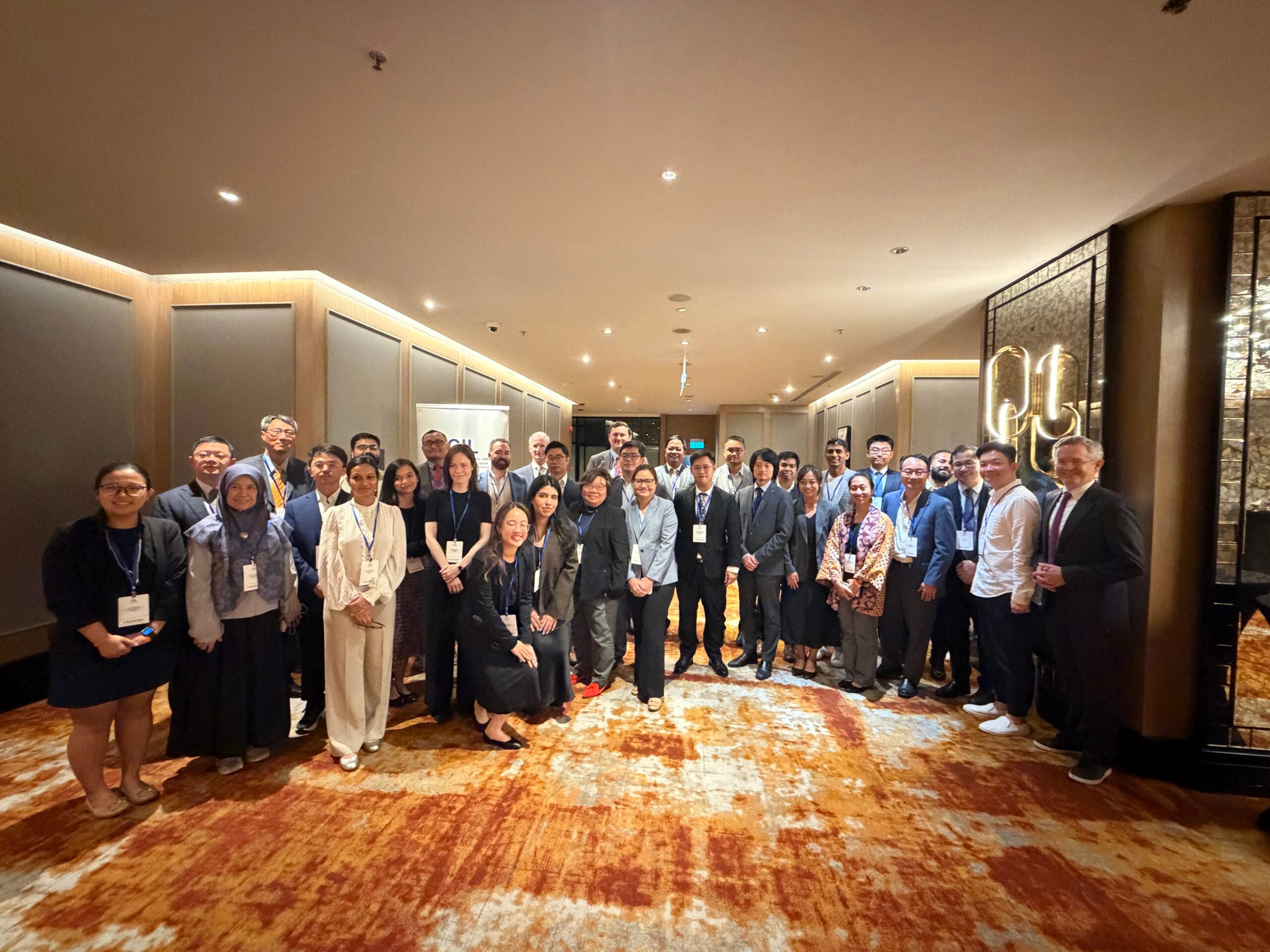
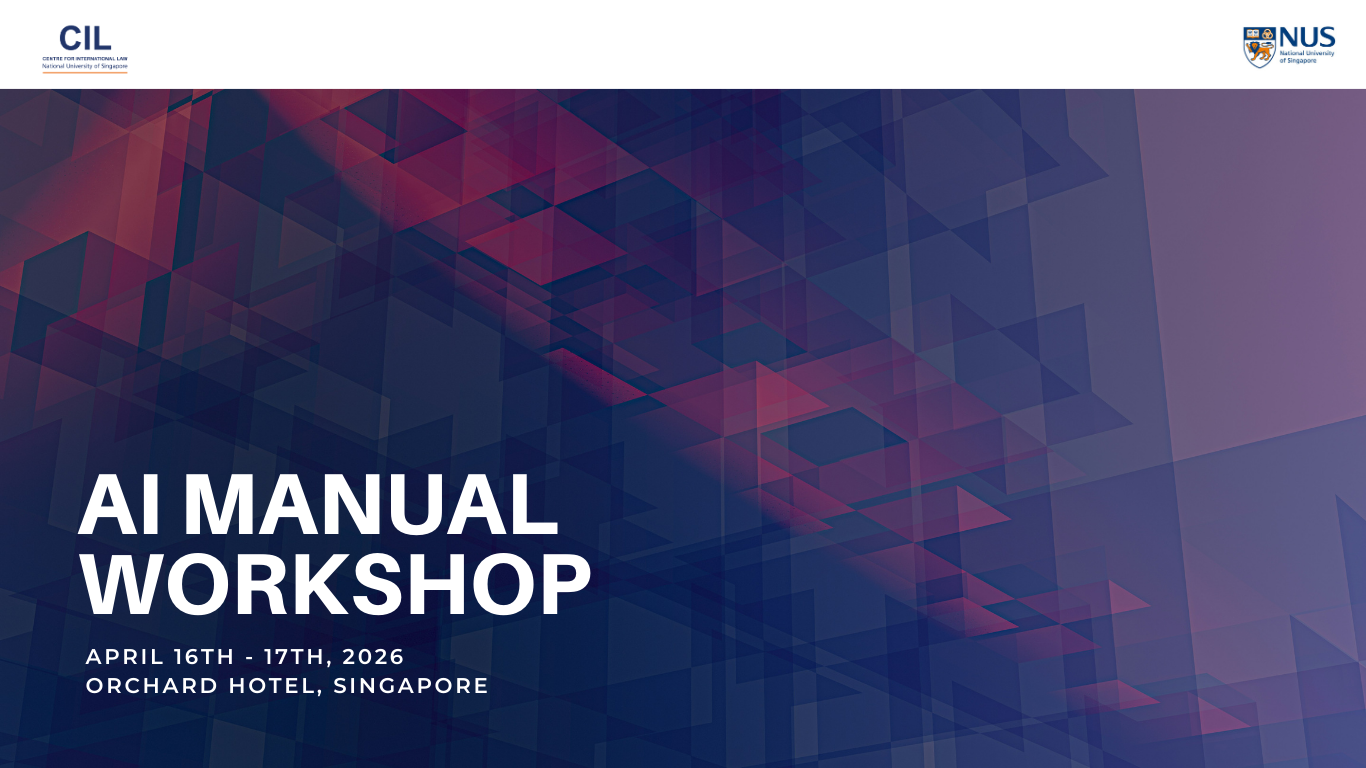
The AI Manual Workshop, held on 16 and 17 April 2026 in Singapore and convened by the Centre for International Law (CIL) at the National University of Singapore, has successfully concluded.
Over two days, experts from academia, government, military practice and the private sector came together to contribute to the development of the West Point Manual on International Law Applicable to Artificial Intelligence in Warfare. Discussions focused on how existing international legal frameworks apply to AI-enabled military operations, with particular attention to challenges surrounding accountability, data, decision-making, and the accelerating pace of conflict.
The workshop marked a meaningful step forward in advancing collaborative, practice-informed engagement on the legal implications of artificial intelligence in warfare.
For more information on the intended outcomes, please click here: https://cil.nus.edu.sg/ai-law-and-governance/. The event programme and details of invited speakers can be found here: https://cil.nus.edu.sg/event/ai-manual-workshop/. An event report will be shared shortly, and select papers of the workshop will be published in a Special Issue of the Asia Pacific Journal of International Humanitarian Law.
Dr Samuel White , Danielle Yeow, Dr Jon Truby and Ayma Naseem represent CIL’s contribution to the Manual.
PRE WORKSHOP INFORMATION
About the workshop
The Centre for International Law (CIL) will host the "AI Manual Workshop" as part of the regional consultative workshops organised for “The West Point Manual on International Law Applicable to Artificial Intelligence in Warfare.” This initiative aims to clarify how international law applies to the use of artificial intelligence across a wide range of military and security contexts, particularly in relation to autonomous systems, decision-support tools, and AI-enabled cyber capabilities. Unlike previous manuals that focused on the broader field of cyber operations, this initiative centres specifically on the legal implications of AI in warfare. It will address how existing international legal frameworks, particularly international humanitarian law, international human rights law, and the law of state responsibility, apply to novel AI-enabled capabilities.
CIL's involvement underscores its engagement in regional and global discussions on emerging technologies and the law, and leadership in shaping global AI governance and legal norms in armed conflict. The Manual is expected to be published in 2028 and will serve as a key reference for legal advisers, military planners, technologists, and policymakers confronting the growing complexity of AI in contemporary and future warfare.
For more information on the intended outcomes of the workshop, please click here.
For enquiries, please contact: aymanaseem@nus.edu.sg